Face Everything And Rise Mindset

In the past, I wrote about the many acronyms for the word fear. The one I specifically wrote about was “False Evidence Appearing Real.” While there is truth to this acronym, I am shifting my mindset to realizing that FEAR should mean “Face Everything And Rise.”

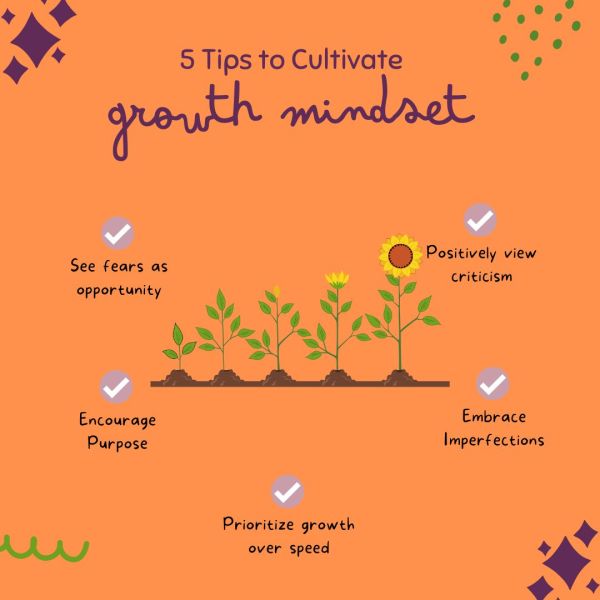
Reframing how one looks at fear can have profound positive effects on one’s ability to push harder toward one’s goals. When we realize the power of facing our fears, we transform an obstacle into an opportunity for growth. Each fear we push past provides a stepping stone toward our most authentic potential. 

How do we embrace this new perspective: 

  1. Acknowledge the fear. Denying a fear gives it power. Write down what you are afraid of and acknowledge its presence. Are you afraid of failure? Are you afraid of upsetting someone? Are you afraid to put your needs ahead of those you love? Are you afraid to make a career change? Are you afraid to give up drinking? Are you afraid of not being perfect? Regardless of how big or small this fear you are holding on to and feeding, it does not matter. The moment you acknowledge its presence is enough to make a shift toward liberation. 
  2. Analyze the source. This part can sometimes be painful as we move towards the root. Finding the root means looking at past experiences, familial or societal pressures, or self-doubt. Find the negative experience and reframe the situation to learn the lesson. Side note: I firmly believe that certain things will keep repeating until the lesson is learned. So, what can you learn from this experience that has your fear firmly rooted in you? 
  3. Take that first step (and small ones after that). Facing everything and rise doesn’t mean diving into the deep end. Take incremental steps toward your goals. I’ll use my fear of public speaking. I started by speaking in front of a small group. Gradually, I began to increase the audience size, and I felt the confidence building. I’m still acclimating, and it’s still nerve-wracking right before I have to speak, but once I get going, I find my nerves settling in for a conversation.  
  4. Celebrate. Every time you face a fear and rise above it, celebrate your achievement. Recognizing your progress reinforces the positive mindset and motivates you to tackle more challenges. Keep a journal of your successes to remind yourself of your strength and resilience.

When you adopt the “Face Everything and Rise mindset,” fear becomes the catalyst for growth. You’ll develop resilience, gain confidence, and expand your comfort zone. Shifting your mindset about fear from avoidance to empowerment can transform your life. 

I hope you can try to embrace the concept of “Face Everything and Rise” to confront your fears head-on and use them as opportunities for growth. Remember, the path to your authentic self often lies on the other side of fear.

Up next on the blog: It’s time to check your surroundings! We are talking about how to take account of who is in your circle. Friends, family, colleagues…if they aren’t inspiring you to be creative, it’s a cage, not a circle!

Rediscover, Reignite, Launch

Lately, I have been grief-stricken and am getting tired of feeling stuck in a rut. I long for a change and plan to reignite the fire within me. As I approach my 50th birthday, I keep reminding myself that it’s never too late to pursue my passions and embark on a new venture that lights up my soul. In this blog post, let’s explore how you can reignite your passion for whatever you choose and take the first steps toward starting a new chapter.

Step 1: Rediscover Your Passion

The first step in reigniting your passion is reconnecting with yourself and identifying what makes your heart sing. Take some time to reflect on your interests, hobbies, and dreams. What activities bring you joy and fulfillment? What topics or causes ignite a spark within you? If you don’t know, take one week and see what makes you jealous—looking at other’s success and feeling that pang of jealousy is a sign that you also want/care about it. You can lay the foundation for a new venture that aligns with your authentic self by rediscovering your passion.

Step 2: Set Clear Goals

Once you have identified your passion, it’s time to set clear and achievable goals for your new venture. Define what success looks like for you and outline the steps you must take to get there. It’s not going to happen overnight. Small and steady progress will get you there. Setting small, attainable goals will help you stay focused and motivated when it gets rough and keep you on track as you embark on this exciting journey.

Step 3: Embrace Fear and Take Action

Fear of the unknown or fear of failure can often hold us back from pursuing our passions. Remember, in a blog post last year, we defined fear as ‘False Evidence Appearing Real.’ So don’t let fear stop you! It’s important to acknowledge these fears but not let them dictate your actions. Embrace fear as a natural part of the process and take small, actionable steps towards your goals. Remember, growth and success often lie just beyond our comfort zones.

Step 4: Who’s at your table? Seek Support and Guidance

Embarking on a new venture can be daunting, but you don’t have to go it alone. Look at who is sitting at your table – some uninvited, negative guests must be escorted out the door. Your table should have people who support and guide you – mentors, coaches, or like-minded individuals who can offer valuable insights and encouragement along the way. The bottom line is to surround yourself with a supportive community that believes in your dreams and wants to see you succeed.

Step 5: Stay Persistent and Adapt

Building a new venture takes time, effort, and perseverance. Stay persistent in pursuing your goals, even when faced with challenges or setbacks. Be willing to adapt and pivot as needed, learning from your experiences and continuously improving your approach. Remember, every obstacle is an opportunity for growth and innovation.

Step 6: Take the Leap

Now is the time to take the leap and start turning your passion into a reality. Trust in yourself, believe in your vision, and take bold steps towards creating the life and business you desire. Embrace the journey ahead with an open heart and a positive mindset, knowing you can shape your destiny.

Ultimately, reigniting your passion and starting a new venture is a transformative journey that can lead to personal fulfillment, professional success, and a purposeful life. You can turn your dreams into reality by reconnecting with your passion, setting clear goals, embracing fear, seeking support, staying persistent, and taking the leap. Remember, the only limits that exist are the ones you place on yourself. So, reignite your passion and start your new venture today!

This episode is not intended as a substitute for the advice of a physician, professional coach, psychotherapist, or other qualified professional, diagnosis, or treatment. Users should not disregard or delay in obtaining medical advice for any medical or mental health condition they may have and should seek the assistance of their healthcare professionals for any such conditions.

Happy Winter

Like many others, I like to reflect on the past year. Instead of making goals and resolutions, I list what I am carrying into the new year and what I am leaving behind. So, on this cold, rainy winter evening, it’s time for me to get cozy and make room for new possibilities. It’s a time to allow my spirit room to imagine, to believe that I can return to the calling placed on my life. It’s time to reset and rise early tomorrow morning for quiet prayer time prior to the busyness of teaching and life. Time to embrace these next two long winter months to layout my new year.

The one thing I will always carry with me into the new year is my writing. It is my calling, my purpose. It may take on many different forms: blogging, copywriting, teaching, short stories, novels, inspirational posts, and so much more. Regardless of what form my writing takes, it’s writing. It’s a passion I cannot live without.

Though this is just the beginning of what I carry forth, I know there will be more. I also know a few things I am leaving behind, but I am not ready to share them. So, I encourage you to take these cold winter months and reflect on what is serving you and what has served its purpose.

I wish you all a new year filled with warmth, love, and peace.

Summer of Love Series: Day 25

As we are nearing the end of the Summer of Love series, it is important to understand that when we cast judgments on ourselves or others, we remove our ability for love. Healing happens in a community, not in isolation. Yes, it’s important to be alone with your thoughts, and it’s important to quiet the chaos of our minds, but the company we keep is equally important. Suppose you are in a group that always focuses on the negative or, as in my case, shares in my lack/scarcity mentality. If I am constantly in that company, I block any chance of abundance and any possibility of a mindset shift because my conversations are feeding/fueling the scarcity/negativity. 

What is the best way to step back and not allow those unwanted thoughts or statements to dominate the forefront of our minds (aka our automatic response)? Use the W.A.I.T. method:

  • W – Why
  • A – am
  • I – I
  • T – talking? 

I first learned this method from Gabby Bernstein. Talking about your lack/scarcity fuels it, so use the “Why am I talking” prompt to stop you from feeding that lack mentality. When you stop talking, you allow creative solutions to come into play. You give abundance a chance to work its way into your life. 

This subtle shift reminds me that God did not give me a lack/scarcity mentality. It also serves as a reminder that the company we keep is important. In reality, we cannot always be around positive people, especially if the negative ones are family. So how does one go about creating a protective barrier around their mindset? We learn to tune out and replace and remember to W.A.I.T.  

I learned to tune things out as a mother. Most mothers will agree that there are moments when you are driving alone before you realize you are listening to your kid’s music rather than what you want. This is because we trained our minds to tune it out, especially when it’s on an endless repeat cycle the moment your car starts. Therefore, we must learn to tune out and replace the negative/scarcity mindset with positive, loving, and abundant thoughts. Have scripture or affirmations on repeat. Autoplaying God’s promises and your new narrative will tune out the negativity. So you can now become the calm body at the table who radiates peace and love. Eventually, the rewiring takes place and becomes the automatic response. 

I know we can do this! It will take lots of practice, but positivity and abundance will come.  

I will leave you with my most recent prayer: Dear God, I am aware of my financial scarcity mindset, and I confess this fear’s stronghold on my life. I’m willing to release it to you. Thank you for your guidance. You did not give me a spirit of fear. Heal me from this sabotage, awaken the love within me, and give me a spirit of abundance so that I may use my talents to help others and serve you. Amen.  

Give W.A.I.T. a shot, and let me know how it worked. 

Summer of Love Series: Day 4

My morning mindset: I begin my day with gratitude and release all fears of scarcity and stagnant energy. Focusing on gratitude is reconnecting me to love. God did not make me fearful. God made me in His image, and His image is love. 

As I continue being honest about my fears, I am taking each day to look for growth opportunities. After all, fear is an opportunity for growth. 

Making a generalized list of people and things I am grateful for has always felt incomplete, which could be one of the reasons why I stopped making lists; however, if you are a quick list person – great! It is a great daily habit if you only take a few minutes and list your x-amount of things/people you are thankful for, but right now, I am going deeper to rewire and rewrite my narrative. 

I used to be that positive person, the one who would always chime in with a positive outlook ~ that was me, and I was proud to be that person. I miss that version of me. When did I become pessimistic? I think it started with some undiagnosed depression and hormonal imbalances. I also remember many years passing by when I lacked purpose. I felt exhausted, always being “positive” or “cheerful,” and making a daily gratitude list was hard in those days. I eventually gave in to that defeat and stopped. 

Fast forward to today, this is what my list is shaping up to look like, and it’s working for me. It’s giving me that deep meaning that I’ve been craving: 

Fear: I am fearful that I will not be able to make it through my father’s eulogy without sobbing. 

Gratitude Response: I am honored to speak of my father’s love and legacy. My family loves me, and they, too, are grieving. Crying is a form of healing. 

Fear: I am not healthy. 

Gratitude Response: While I have work to do, I am grateful to have access to healthy foods and safe exercise trails. Restoring my health will take time and discipline ~ have patience. 

Fear: Money is scarce, and I do not handle it well/smartly. I was never good at math and did not understand investing. 

Gratitude Response: I haven’t always been great with money, but now I am learning about investments and working on disciplined spending. 

I feel more authentic making a list this way. I feel a little closer to my old pleasant self. Yes, I am only four into this 30-day journey, but each day is a new opportunity to grow in love. Try this method if making a quick bulleted list makes you feel less than complete. 

Summer of Love Series: Day 3

When I was a child, I used to think that when people argued in a restaurant, I would see a table flipped over with scattered food and drinks. It would be exciting. Not so exciting for those who would be left to clean up the mess, but it’s got me thinking about how dramatically the story changed once someone flipped that table. 

Similarly, I am flipping my fears to change my story dramatically. While in this process of inverting my mindset, I am going through a wide range of emotions. I have to constantly remind myself that I am not to confuse excitement with fear. My mind automatically defaults to fear, just like specific physical symptoms invoke anxiety and panic in me. It has taken me months of work to rewire my brain to know that those symptoms are nothing more than pent-up energy that needs to be released. 

In the same process, I am rewiring my brain and rewriting my narrative that when I have thoughts of scarcity, I will replace them with thoughts of abundance and love. 

I am also weaving gratitude into my abundance practice. I’ve kept journals of gratitude before, but they were on the surface level. I never entirely went deep for gratitude. So my list looked like this: I am grateful for waking up, my family, the person who helped me at school, my home, my parents, etc. Now that I am beginning to trust that gratitude is more substantial than fear, my list is changing.  

What I am grateful for this morning: 

I am grateful that the sunrise wakes me up warmly, softly, rather than a panic-inducing alarm.

I am grateful to have clean air to fill my lungs when breathing deeply.

I am grateful to be surrounded by my family’s love while writing my Father’s eulogy. 

I am grateful to have access to God’s word and presence daily. 

Today’s prayer: God, I release my scarcity mindset and anxious energy and replace it with love and gratitude for all the blessings you have given me. 

“So don’t worry about these things, saying, ‘What will we eat? What will we eat? What will we wear?’ These things dominate the thoughts of unbelievers, but your heavenly Father already knows your needs. Seek the Kingdom of God above all else, and he will give you everything you need. So don’t worry about tomorrow, for tomorrow will bring its own worries. Today’s trouble is enough for today.” (Matthew 6: 31-24).

Leaning in…

I cannot believe I haven’t blogged since Christmas time! I drafted several blog posts, but what I wrote didn’t feel fitting. One day it’ll be the right time, but right now, I’m exploring new territory with my writing and creating. I am looking at my writing with a new lens in this new space. I’m trying to find my voice and my stride. It takes much more discipline these days and a lot of consciousness, but the rewards of being deliberate with my time and aware of positive and negative influences bring me closer to my voice.

I am about to branch out into the side hustle world, and while I’m getting things ready to launch, my writing is expanding past my creative and teaching boundaries. I still love playing with words in a creative space. I still love the basics of academic and technical writing I model for my students. And it’s all happening on paper.

That’s right! I have returned to writing on paper. Not only is it less distracting and easier on my eyes, but it’s also grounding. It could also be the tactile experience that I am enjoying. And writing on paper slows me down – something both my body and brain need. Going slower has been a goal of mine since my time on leave last fall. We live in a rushed world, and when I don’t slow down and step off the proverbial hamster wheel, it negatively affects my mind, body, and soul; returning to pen and paper is healing.

I noticed that writing on paper, besides my messy handwriting, there is less pressure to get each and every word just right. That burden of making every word just right is nothing more than a form of perfectionism, which is why many writers fail to achieve goals. Typing to get every word right was an unconscious block for making progress. With handwriting, I’m also pushing past the urge to rewrite what I worked on the day before. It’s Newton’s law of motion – consciously moving my hand and thoughts forward keeps me moving forward. Another reason for writing by hand is the focus. My focus has severely declined over the last decade. It’s not just age (approaching 50); it’s the mental decline due to endless hours of zombie scrolling and zoning out on my phone and tablet. Yes, phones are great. Heck, I used to work for a mobile app company. So I get it. I actually love playing with technology, but it’s beginning to come at a price. Writing by hand genuinely strengthens my ability to calm my mind and body, allowing me enough stored energy to focus my thoughts to a satisfying conclusion. As my brain carefully considers each letter, word, or phrase, I gain more stamina to push out invading thoughts. Lastly, writing by hand improves my ability to express myself more authentically and allows me to communicate more complex ideas. It’s like a more profound sense of critical thinking. While it also serves as a blank playground where thoughts can expand and grow beyond the page.

In addition to writing on paper, I have been consciously practicing leaning into what brings me joy, energizes me, and makes me feel authentic. I also pay close attention to what depletes me and negatively impacts me. Whether it comes from food, news, the people around me, text messages, music, or my surroundings. They offer one thing: positive or negative energy. If I get sucked into the negative, I excuse myself and walk away or pivot my thoughts or the conversation to something more neutral or positive. Negative energy is sticky energy. It’s like pollen. It sticks to EVERYTHING! It often feels light, but it quickly becomes a weighty burden. This is where boundaries come into play. They are essential to establish. If you are a people pleaser, boundaries are difficult to practice but are critical to your well-being. By leaning into the good and the bad, I (re)learn more about myself and become more confident in protecting all that brings me joy without apologizing.

Just like life, writing is a journey. Some days are trying. Some days are smooth. Self-discovery is also a journey. Creating the life you want is 100% controllable by you. Therefore, I invite you on this journey with me because, as my tagline states, journies are meant to be shared.

I’d love to hear what journey you are on currently. Please drop a comment below, and let’s have a conversation.

Give Yourself Permission to Pause

The other day when I was watching tv with Chris, I asked him to pause the show while I ran upstairs to check on dinner. Why is it second nature for us to ask someone to “press pause when a show is playing,” but when we need a pause for our health, we hesitate, or worse, we keep life going in fast-forward motion? 

Last week, I skipped this blog because I ran out of steam. I returned to work last week and while the welcome back was warm and full of hugs, laughs, tears, and genuinely kind words, I didn’t have the energy to write this post. And guess what? That’s ok. I hit the pause button rather than pushing through.

Even this past Monday, after three days at work, I had to call out because I woke up with a fever, body aches, and deep congestion. I showered, got ready for work, and had all intentions of getting into school and teaching throughout the day. Then I sat down and paused for a moment. I leaned in and listened to my body. Within that brief moment, I realized how sick I’d become. Flu, RSV, COVID, and so many “unnamed” viruses are floating around in school. After I whipped out sub plans, I read through eight emails from students who all were around me last week and are now home with the flu. 

I also know my body does not do well when the weather changes. These last few days, we had the air conditioning back on. Yeah, let that sink in. It’s November. The air conditioning is on! The heat was on two weeks ago, and we’re about to turn it back on later this week when it’ll be in the forties at night. Anyways, as crazy as the weather is and the crazy amount of stuff floating around school, I’d inevitably get sick.   

Being sick doesn’t mean that you are weak. Is it an inconvenience? Yes. For teachers, I know it poses a problem with so few subs working this year. But when we are sick, it forces us to pause. Therefore, I encourage you to look at the positive, even if you feel miserable. 

I want you to imagine what you would feel like if you hit the pause button more often when you are not sick:   

  • Take time for yourself.
  • Take time for your family or for those you love dearly. 
  • Take time for your goals.
  • Take time for your dreams! 
  • Take time to be present. 
  • Take time to pray. 
  • Take time in nature. 

The list is endless! Just promise me that before the busyness of the holidays and the flu and cold season force you to pause, you hit the pause button without guilt.  

I’d love to hear from you! Share how you know when it’s time to hit pause and what you do during your pause.

“Can we fix it? Yes! We Can!” Building a Mental Health Toolbox for Anxiety

Writing through Anxiety Blog Series #4

If I needed to borrow a tool, would you lend it to me? Some people will say sure, while others will not. People are very protective of their tools. Some have good reasons, like their tools never being returned or returned too many years too late. Hopefully, the tools I’m giving you today will help you build a toolbox you can use and give to someone else in need. I wish I could fix anxiety with panic disorder with just one tool, but thankfully, we are in an age where we have so many tools at our fingertips and so many good neighbors willing to share their tools 🙂  

Over these last few weeks, I’ve been writing about my recent anxiety and panic disorder that led me to go out on FMLA status from teaching. Today, we are discussing ways we can move through anxiety with the purpose of building a toolbox. 

To start, I want you to declare that your anxiety will no longer have power over you and the things you want to enjoy in life. This declaration can be a simple whisper to yourself, a written statement, or shouted (literally shouted from your gut) outside in nature. A positive, powerful mentality is essential. 

As a reminder, I’ve encouraged you since Blog 1 in this series to find your support people. Having a circle of support around you is crucial during this time. This community should surround you with love, understanding, and patience. Remember, healing never takes place in isolation. 

Now let’s talk about a toolbox. Remember Bob the Builder? “Can we fix it? Yes, we can!” Bob the Builder was a popular tv series whereby Bob and his pals (aka his community) solved problems with a positive attitude (mindset) and used all sorts of tools to fix things. Note: I am fully aware this is an animated, imaginary world full of positivity for children. However, that doesn’t mean we should discredit it and not apply it to our anxiety and debilitating panic. And I’m not downplaying the severity of anxiety or panic disorder. I know what it’s like to be in the ER for panic attacks.

First, healing anxiety relies on all the tools we have to assist us through the pain. What tools do I have in my arsenal? Prayer, Bible reading, meditation, breathing exercises, body tapping, walking, hypnotherapy, writing, and many conversations with my support circle. And as of last week, I mentioned using medications. Due to the severity of the side effects and being in a consistent state of feeling simultaneously drunk and hungover, I recently decided to stop the meds. I’m trying everything I can to stay holistic because that works best for my body. There is no judgment here, and you should NEVER feel ashamed if you include medications in your toolbox. 

Building a toolbox requires understanding how and why anxiety happens in the body. For me, it’s rarely thought-provoking anxiety, but I do have some thoughts that can trigger anxiety; however, not many. It’s a physical response to the stress in my world. So I recently learned about “leaning” into the pain and accepting that my body is sounding an alarm. It’s crying for attention. All the old habits and the physical pain stored deep in our cells comes to the surface in the form of anxiety and panic. When I feel heart palpitations or tension in my chest or shoulders, I stop what I am doing and place my hand on the part of my body where I feel the reaction happening. So if it’s that choking feeling, I gently put my hand on my throat area, take a 2- or 3-second breath and exhale twice the amount while quietly telling myself, “I am safe, or just simply ask my anxiety what it needs.” If I have to do this sitting down, walking around, or swaying side to side, that’s what I do. It doesn’t take it away, but it lessens the intensity. If you are interested in more of this type of technique, search “somatic therapy.” 

I also walk every day. Even on rainy days, I somehow manage to walk at least 2 miles outside. I invested in base layers of clothing to have zero excuses for not getting outdoors as the temperatures drop. It’s fall in Virginia which means it’s cold in the mornings and warmer in the afternoons. During my FMLA time, I have taken to doing sunrise walks. I love watching the sunrise at 7:20 every morning. There is something so peaceful about the rising sun and the colors of the leaves. I even found a rock to sit on under a canopy of yellow maple trees. The leaves are truly spectacular this time of the year. As a side note, I am not a runner, but on some mornings, when I feel a lot of built-up tension or vibrations in my chest, I do a slow run for a mile. I did two miles the other day because my body needed to move quickly, and it helped me release some deep breathing. 

Meditation. Most people believe you must empty your mind to meditate effectively. I beg to differ. Our minds inherently think. By nature, this is how they are wired. So why do we expect them to stop thinking while meditating or going into a state of quiet rest? Years ago, I learned to hear the thought but not follow it. So I often say, “don’t go down the rabbit hole.” If you are trying to quiet your mind and suddenly remember that you need to buy frozen peas and carrots, thank your brain for the reminder but don’t start building a grocery list. Return to your quiet mind and visualize where your breath is needed in your body to heal. For example, I imagine the inhale filling up my chest with clean air and the exhale expels the stress from my body. After a few clean breaths, I move on to another body part. I do this for about 3-5 minutes. That’s it. 

Body tapping is a fantastic exercise. I learned body tapping almost 20 years ago! I recently appreciated the benefits of knowing how to do body tapping during this latest episode of panic. I’ve recommitted to ensuring I go with some form of tapping during the day. As shown in the video listed below, you don’t have to tap your entire body; you can focus on the upper body to help relieve anxiety’s stagnant energy. I like doing whole-body tapping at the end of a long and stressful day. It’s like beating the dust off an area rug. 

I’m new to hypnotherapy. Listening to it right before bed is exceptionally relaxing. There is something about consciously melting into your mattress while unconsciously being told affirmations that I find comforting and helpful. Below is the link to the audio ones that I listen to and the books that has really helped me understand the physical storing of anxiety.  

As for bible reading and praying, I’ve always done this. Having that quiet time at the beginning of my day while reading the Bible is a habit I will never abandon. In the mornings, if my mind is racing or my body is tense, I begin reciting the Lord’s Prayer over and over. Repeating this prayer or a verse from the Bible helps ground me and makes me feel truly connected to God, and reminds me that I am never alone. My favorite Bible verse that I’m ready to tattoo on my body is Romans 12:2 – “Do not conform to the ways of this world, but be transformed by the renewing of your mind. ” 

Finally, make sure you have a support circle. My support comes from family and friends, who don’t judge me, and they can be called/texted at any time of the day. I also have a therapist who gives me tools and is a prayer warrior. Here in Virginia, and I’m sure in other states, after COVID, it is challenging to find a therapist with an opening that isn’t six-eight months out. I turned to Better Help, an online therapy platform. All it took was filling out a questionnaire, and they matched med immediately to someone. We now meet online weekly, and I can join small group therapy. It’s been a great tool! If you are trying to find a therapist and cannot get in to see one, please consider Better Help. They are affordable and convenient; you can choose a video or phone call, all in the comfort of your home. And I know what it feels like to have agoraphobia during anxiety and panic, so having the comfort of not leaving your home is essential. My work family is also a part of my support circle. They check in with me, give me space, and ask permission to chat about work. On the days when I said, “no, I can’t talk about work right now because I have too much anxiety,” they understood and still reached out to say hi or send cute cat memes or pictures of their pets.  

I hope that giving you a glimpse and a list of resources in my toolbox is helpful. I know how living with anxiety and panic disorder can be debilitating at times. I am returning to work tomorrow, and it has taken me close to six weeks to say this without panicking. I have a “panic buddy” ready at work to help me when my body wants to freeze or run away. I don’t know if I will openly discuss this with my students. Some may find this blog and read it anyways, and if they have questions, I will be honest. My journey is not over; just my medical leave is over. And without ruminating about what “might be” or “could be” in the future, which is not real because it hasn’t happened yet, I am learning to be present, and I’m learning to be a defender of my mental and physical health, even if it means redefining my life.

If you don’t want to read this exceptionally long narrative, here is a quick list of resources that make up my toolbox (these are not affiliate links): 

Better Help

Body Tapping – there are many other videos but this is how I learned to body tap almost 20 years ago

Meditation

Understanding Anxiety and Hypnotherapy – book and audio downloads

Somatic Therapy

My favorite pens and pencils for writing

Columbia Sports (base layers for colder weather)

Let’s keep the dialogue going. If you are comfortable, please leave me your story and experience with anxiety/panic attacks. Remember, we heal in community, not in isolation. My mission is to help others openly discuss their anxiety/panic and talking openly and honestly is the first step. If you have tools that have helped you, please share. Like my motto, “writing is a life-long journey meant to be shared,” I can now confidently say the same about healing my anxiety ~ it may be a life-long journey, but I’m grateful I can share it with you and those around me.

Disclaimer: This is by no means therapy or professional advice. This blog series is my narrative, my journey, that I am sharing with you in hopes of encouraging you to begin healing your anxiety.
This Might Hurt…

Writing Through Anxiety Blog Series #3

Do you know how a doctor usually says, “this might hurt,” before piercing a needle into your skin? You brace yourself for physical pain. Our brains process the forewarning by telling our bodies that there will be a period when we must experience physical pain before the healing begins. Why don’t we give ourselves this warning when dealing with mental health? After all, deciding to make a change for your mental health leads you through a physical, emotional, and spiritual transformation. This transformation will require some pain. Why? Well, simply put, you are growing. You are breaking a cycle. 

If you are unhappy, stressed out, burnt out, unfilled, disgusted, full of anxiety, whatever it is, you must first decide to remove the mask. Removing the guise will make you feel very vulnerable. It’s hidden your truth for so long that now without the facade, you essentially feel naked, and boy, it is scary! 

Thankfully, we are a generation of consciousness. And that’s a good thing! It allows us to say, “I refuse to live like this anymore.” It’s effortless to slip the mask back on. I believe this is what our brains want us to do. I always tell my students, “our brains want to be lazy.” Brains thrive on routines and repetitions because they don’t have to work. However, once you declare that you will no longer live this way, you must begin implementing all the tools you have gathered to foster change. Unfortunately, when it comes to mental health, no one tells you that this change will be physically uncomfortable as it is emotionally and spiritually. But I encourage you to remind yourself that the pain you are going through is growing pains and that no transformation ever happens without pain. 

The minute you start changing is when the pain comes. We have done everything to avoid pain; we don’t like the uncomfortable. We are essentially in survival mode and have reshaped ourselves to prevent or lessen the pain. No one welcomes pain. I get it. But let’s look at it through a different lens. What happens if we move past the numbing and coping we’ve relied on all these years? What if we lean into our pain? We no longer consciously or unconsciously avoid it. Let’s give it the attention it needs. Anxiety in our bodies is like sounding an alarm to get our attention. 

You see, anxiety or panic pain comes in many physical reactions. This past month, I have gone through the following trials of discomfort/pain:  

  • Heat spreads from my chest through my limbs (and this isn’t a hot flash or warmth, it’s like searing burning moving through your veins). 
  • Hands around my throat, squeezing tightly. 
  • Tremors, more like a violent twitch, of my arms, hands, or legs.
  • Vibration or a constant annoying buzzing throughout my whole body.
  • Electric shocks/jolts.
  • Tired/fatigued muscles.
  • My heart thumps against my chest wall or pounds in my ears. 
  • Sour stomach or nausea. 
  • My eyes dart around the room, and I cannot move them smoothly from one thing to the next. 

After several days (and eventually weeks of these relentless symptoms) and with the help of my support circle, I decided to take FMLA and use the time to lean into the pain and heal. Yes, the meds are assisting me, but I am not allowing them to be the solution. They are merely an assistant. It doesn’t mean that they are numbing the anxiety. They prevent me from tipping over the precipice into sheer panic. When I am in that state of panic, there is no fighting. For me, it’s simply fleeing or freezing. And by freezing, I mean curling up into myself as tightly as possible, crying because I’m freaking out, and unaware of any thoughts other than getting my body as small and tightly wound as possible. Thankfully, my husband is strong enough to wrap himself around me and be that gentle reminder to breathe because I have a habit of holding my breath. 

After a panic episode subsides, it leaves my body feeling like I’m hungover. I’m tired to the bone, and my spirit is weary. These panic episodes have scared me to the point of going to the ER twice in my lifetime. And all they ever did was sedate me. Feeling like I was losing all control, and this fear of being torn away from my family or waking up locked away somewhere only raised my blood pressure. But once I was in the safety of my home, I slept. Upon waking up, I vowed to find a way to recognize the pain in my body and find the tools needed to avoid further panic episodes. 

If after a panic or intense anxiety attack, you may need to nap. You may need to cry. You will most likely be exhausted from breaking deep cycles of masking. Be kind to yourself. Be confident, knowing and feeling that you are doing the work many refuse to do. After all, people with anxiety are some of the strongest and most resilient people in the world. We do everything we need to (take care of family, hold down careers, etc.) while carrying 100lbs of worry/fear on our backs. Begin putting these statements on repeat: I am strong. I will find peace. Peace begins with me. 

Action Steps: 

  1. Identify how your body responds to anxiety. Write down specifically where you feel the tension. Does it start with an increased heart rate? Does it start with tension in your shoulders? Does it start in the upper stomach/solar plexus area? Take note of where it begins.
  2. Gather your tools. Hopefully, you have your support circle identified. Let them in by telling them you are looking for ways to heal your anxiety. Accept their suggestions graciously, even if you don’t use them. Research different breathing techniques and meditations and try them out to see what works for you. Find a therapist if you don’t have one. There are plenty of online therapists available 24/7. I personally use a therapist from Better Help. It’s convenient and in the comfort of my home. Find time to take a walk every day. If it’s cold and rainy outside, do some yoga. All these tools and more will help you through the pain. 

Next week, we’ll discuss how to put your tools to work and begin the healing process. 

Let’s keep the dialogue going. If you are comfortable, please leave me your story and experience with anxiety/panic attacks. Remember, we heal in community, not in isolation. My mission is to help others openly discuss their anxiety/panic and talking openly and honestly is the first step.

Disclaimer: This is by no means therapy or professional advice. This blog series is my narrative, my journey, that I am sharing with you in hopes of encouraging you to begin healing your anxiety.