This Might Hurt…

Writing Through Anxiety Blog Series #3

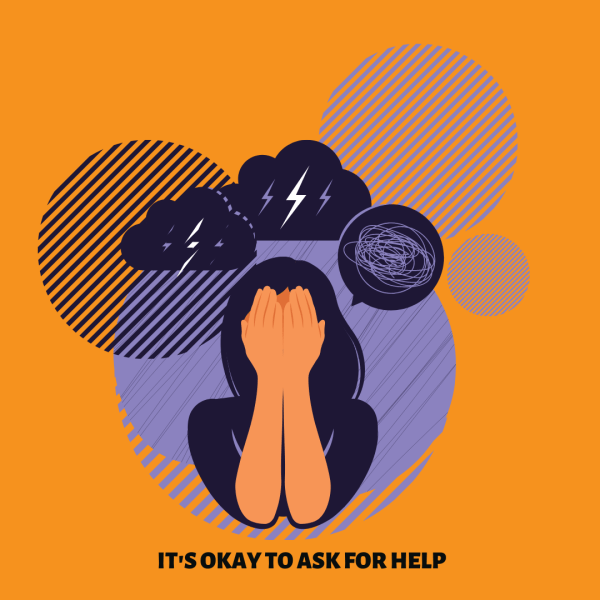
Do you know how a doctor usually says, “this might hurt,” before piercing a needle into your skin? You brace yourself for physical pain. Our brains process the forewarning by telling our bodies that there will be a period when we must experience physical pain before the healing begins. Why don’t we give ourselves this warning when dealing with mental health? After all, deciding to make a change for your mental health leads you through a physical, emotional, and spiritual transformation. This transformation will require some pain. Why? Well, simply put, you are growing. You are breaking a cycle. 

If you are unhappy, stressed out, burnt out, unfilled, disgusted, full of anxiety, whatever it is, you must first decide to remove the mask. Removing the guise will make you feel very vulnerable. It’s hidden your truth for so long that now without the facade, you essentially feel naked, and boy, it is scary! 

Thankfully, we are a generation of consciousness. And that’s a good thing! It allows us to say, “I refuse to live like this anymore.” It’s effortless to slip the mask back on. I believe this is what our brains want us to do. I always tell my students, “our brains want to be lazy.” Brains thrive on routines and repetitions because they don’t have to work. However, once you declare that you will no longer live this way, you must begin implementing all the tools you have gathered to foster change. Unfortunately, when it comes to mental health, no one tells you that this change will be physically uncomfortable as it is emotionally and spiritually. But I encourage you to remind yourself that the pain you are going through is growing pains and that no transformation ever happens without pain. 

The minute you start changing is when the pain comes. We have done everything to avoid pain; we don’t like the uncomfortable. We are essentially in survival mode and have reshaped ourselves to prevent or lessen the pain. No one welcomes pain. I get it. But let’s look at it through a different lens. What happens if we move past the numbing and coping we’ve relied on all these years? What if we lean into our pain? We no longer consciously or unconsciously avoid it. Let’s give it the attention it needs. Anxiety in our bodies is like sounding an alarm to get our attention. 

You see, anxiety or panic pain comes in many physical reactions. This past month, I have gone through the following trials of discomfort/pain:  

  • Heat spreads from my chest through my limbs (and this isn’t a hot flash or warmth, it’s like searing burning moving through your veins). 
  • Hands around my throat, squeezing tightly. 
  • Tremors, more like a violent twitch, of my arms, hands, or legs.
  • Vibration or a constant annoying buzzing throughout my whole body.
  • Electric shocks/jolts.
  • Tired/fatigued muscles.
  • My heart thumps against my chest wall or pounds in my ears. 
  • Sour stomach or nausea. 
  • My eyes dart around the room, and I cannot move them smoothly from one thing to the next. 

After several days (and eventually weeks of these relentless symptoms) and with the help of my support circle, I decided to take FMLA and use the time to lean into the pain and heal. Yes, the meds are assisting me, but I am not allowing them to be the solution. They are merely an assistant. It doesn’t mean that they are numbing the anxiety. They prevent me from tipping over the precipice into sheer panic. When I am in that state of panic, there is no fighting. For me, it’s simply fleeing or freezing. And by freezing, I mean curling up into myself as tightly as possible, crying because I’m freaking out, and unaware of any thoughts other than getting my body as small and tightly wound as possible. Thankfully, my husband is strong enough to wrap himself around me and be that gentle reminder to breathe because I have a habit of holding my breath. 

After a panic episode subsides, it leaves my body feeling like I’m hungover. I’m tired to the bone, and my spirit is weary. These panic episodes have scared me to the point of going to the ER twice in my lifetime. And all they ever did was sedate me. Feeling like I was losing all control, and this fear of being torn away from my family or waking up locked away somewhere only raised my blood pressure. But once I was in the safety of my home, I slept. Upon waking up, I vowed to find a way to recognize the pain in my body and find the tools needed to avoid further panic episodes. 

If after a panic or intense anxiety attack, you may need to nap. You may need to cry. You will most likely be exhausted from breaking deep cycles of masking. Be kind to yourself. Be confident, knowing and feeling that you are doing the work many refuse to do. After all, people with anxiety are some of the strongest and most resilient people in the world. We do everything we need to (take care of family, hold down careers, etc.) while carrying 100lbs of worry/fear on our backs. Begin putting these statements on repeat: I am strong. I will find peace. Peace begins with me. 

Action Steps: 

  1. Identify how your body responds to anxiety. Write down specifically where you feel the tension. Does it start with an increased heart rate? Does it start with tension in your shoulders? Does it start in the upper stomach/solar plexus area? Take note of where it begins.
  2. Gather your tools. Hopefully, you have your support circle identified. Let them in by telling them you are looking for ways to heal your anxiety. Accept their suggestions graciously, even if you don’t use them. Research different breathing techniques and meditations and try them out to see what works for you. Find a therapist if you don’t have one. There are plenty of online therapists available 24/7. I personally use a therapist from Better Help. It’s convenient and in the comfort of my home. Find time to take a walk every day. If it’s cold and rainy outside, do some yoga. All these tools and more will help you through the pain. 

Next week, we’ll discuss how to put your tools to work and begin the healing process. 

Let’s keep the dialogue going. If you are comfortable, please leave me your story and experience with anxiety/panic attacks. Remember, we heal in community, not in isolation. My mission is to help others openly discuss their anxiety/panic and talking openly and honestly is the first step.

Disclaimer: This is by no means therapy or professional advice. This blog series is my narrative, my journey, that I am sharing with you in hopes of encouraging you to begin healing your anxiety.

You Must Be This Tall to Ride…

Writing Through Anxiety Blog Series #2

There are plenty of reasons I’m not too fond of rollercoasters: the jerking motion, free-falling motion, the tight grip on the handles, the stomach in your throat feeling, and plenty more. It’s never been exhilarating for me. I have even tried to find joy in them. The stress release of screaming your brains out without judgment. The laughter of riders afterward. The wind in your hair. While these are all positives for many, the negative feelings far outweigh the positives. Hell, most of the time, I was never tall enough to ride the rollercoasters, but I did try a few, and it was enough to know that it wasn’t for me. Right now in my life, this journey of battling anxiety with panic disorder is one big rollercoaster ride, and I want off.

These last two weeks have been challenging. One day I will feel like my healthy self, full of peace, calm, and lightness. The next day, my body twitches and tremors, my stomach churns, and my head either hurts or is dizzy. It’s almost four weeks since I started meds, and I can’t tell if they are working or not. I’m guessing they are because the anxiety hasn’t spiraled/escalated into a panic. To me, these little moments are progressing me toward steady days.

Like many others, I’m doing my fair share, probably too obsessively, of research on how to hold down a job with anxiety and panic disorder. I’m trying new breathing techniques, cold showers, long walks, sensory-type grounding practices, cognitive behavior therapy, hypnotherapy, and more. Intellectually, I know it will be a long process to get well, but that doesn’t mean I won’t get frustrated, annoyed, or impatient by how slow this is taking.

So as I continue on this rollercoaster, I am trying my hardest to give myself some grace on the challenging days. My husband is more patient with me than I am on those days. He’s my rock and my support, and I mean that as literally as possible. He truly holds me up when my legs want to give out. He holds my hand when he senses my fear and reassures my soul that I am not alone. When he wraps me in his arms tightly, it eases my rapid heartbeat into a slow thump. On days when I feel strong and at peace, I try to push past my comfort zone and dip my toes in the proverbial waters to see how my body will react.

As I wrestle with all these physical reactions to the world around me, I remind myself that I need to figure out what to do with my teaching career. Right now, it’s on hold in the infamous FMLA status, but even that requires an end date. I want to go back, but it’s hard putting on a mask of bravery when my body is freaking out on the inside. My doctor and therapist advise me that I shouldn’t decide while feeling this way. Unfortunately, it feels like unfinished business. Plus, there’s the weight of knowing how much extra work it is putting on your colleagues.

Writing through all this has been helpful and feels substantial. I wish I were well enough to share with my students just how important it is to write your way through the ups and downs, twists and turns, and the backward motion of the rollercoaster. I also wish I was not tall enough to ride this ride, but there is a purpose, and I’m determined to find the purpose of this journey.

Action Step: I encourage you to leave a comment and share your story with me. I am a firm believer that we can never heal in isolation. We heal in our community. I urge you to find your community if you struggle with mental health. It doesn’t need to be a large group but find your people.

I count my blessings for my community of supporters. Without their love, patience, and support, I would be lost and lonely. Like my motto, “Writing is a life-long journey meant to be shared,” I can now confidently say the same about healing my anxiety ~ it may be a life-long journey, but I’m grateful I can share it with you and those around me.

Disclaimer: This is by no means therapy or professional advice. This blog series is my narrative, my journey, that I am sharing with you in hopes of encouraging you to begin healing your anxiety.

Writing through anxiety

About three weeks ago, sheer terror took over my brain as I tried to get myself into school. I pulled over to the side of the road trying to catch my breath, but my breathing was labored while my stomach churned out one wave of nausea after another. My heart pounded my chest wall like it no longer wanted to remain in my body. Every nerve in my body reacted to every sound with a jolt of electric shocks while my muscles twitched. This was the worst panic attack of my life.

The following days were plagued with manic bouts of sobbing. My body was releasing an immense array of emotions. Positive and negative thoughts swung like a heavy pendulum with no rest in the middle. I lost all sense of who I was and couldn’t feel any sort of my old self. My support circle of my husband, my son, my family, and friends immediately surrounded me in love and prayer. They became my stable ground while I lost all sense of being able to stand on my own.

As the days continued with my husband by my side, my son reassuring me, and my family and friends checking in throughout the day, my body and brain continued on this path of panic. Tense muscles twitched me awake throughout the night. Guilt wakes me up early mornings knowing there are no subs to cover my team at work. As I tried to continue to press through the day with the most mundane tasks of showering and eating, I was continually assaulted by those electric shocks numbing my chest and limbs. This was tearing me down.

I decided to take a medical leave of absence. This was the hardest decision of my professional life. It was a quick decision but one that had to be made sooner rather than later. Beyond the basics of knowing that I could not be responsible for young adults at this time, the weight of not having to put on a mask of calm to get through the day, was a deep breath that I needed.

As I continue to heal and go through trials of various medications, I am learning to give my body the time it needs to heal because I only have this one body and one mind. The healing process is a tug of war with my ego. My body and mind have been on a steady decline of brokenness and my ego kept me going for all the wrong reasons. So while the breakdown was slow, my ego expects a quick fix. Relearning how to be in rest is challenging but for a nervous system that is on hyperdrive, rest is necessary.

When the meds don’t have me in a fog, I will write my way through this journey. And with every [writing] journey, pacing is everything, being present is necessary, and forgiveness is essential. I am more determined than ever to resurface my purpose through writing. Putting words on the page is my breath and my best defense against an anxious beast wanting to do nothing more than escalate and spiral me far from reality.

If you are struggling with your mental health, please do not suffer alone. Find your circle of support and if you aren’t sure where to turn, please contact 988 for help.

Please leave a comment of encouragement, empowerment, or your story. It’s only when we openly talk about mental health that we can begin to remove the stigmas and heal.

Stuck in the middle

Being the youngest of three, I was often relegated to the middle seat. Good thing I was also the shortest in my family so it was never too uncomfortable, plus I had the protection of my older sisters on each side of me. But that doesn’t mean that I didn’t try to argue my way out of the middle nor does it mean that I liked the middle seat a whole bunch either.

At some point in your writing journey, you may experience getting stuck in the middle of your story. It feels slow. It feels like you are walking through the heavy waters of the ocean. I know several authors who rent out a hotel room or a VRBO for a long weekend, just to write the middle portion of their novel. They did this religiously. The simple act of changing their scenery, having no interruptions, relying on room service/meal delivery, etc. is what they need in order to focus and trudge their way through the middle. Not everyone has such luxury and that’s ok. It doesn’t mean you can’t get through the middle of your novel.

Here are some quick tips to help you find your way through the middle:

  • Give your character a new location. While you may not be writing somewhere new, drop your character into a new location and see how they respond.
  • Increase the tension for your main character.
  • Shift the focus from your protagonist and agitate your antagonist a bit more.
  • Look at your minor characters. Sometimes, it’s those secondary characters and their relation to the protagonist that isn’t fully flushed out. Find their purpose and raise the expectations you have of them.

As for you, the writer:

  • Change your location. You don’t have to travel far or spend any money. Try writing somewhere new, but don’t get distracted by window shopping or eavesdropping.
  • Writer from home? Ask for help in minimizing your distractions. If you are like me and write at a desktop computer without a laptop, ask a friend, family member, or neighbor to be your gate keeper. Maybe they can watch the kids, not call or text for a few hours, bring you something to eat without visiting/staying to chat.
  • If you are a “pantster” and write freely, this may be a good time to lean on an outline. Outlining – you either love it or hate it. If you hate it, you may find it helpful if you are truly stuck.
  • Get a beta reader! This is so important for all parts of your novel. A trusted beta reader must be someone who can be truthful and brutally honest with you about your story. They are not line editors, but simply someone who is invested in the characters and story and watch it take shape. A good beta reader will tell you what works or doesn’t work. So find that someone. If it scares you to share your manuscript for fear that it may be stolen, again, find someone you trust. If you can’t get past this fear, simply draft a non-disclosure agreement.

Being in the middle isn’t always so bad. It’s like the biblical saying of “walking through the valley” ~ walk, trudge, crawl, your way through the middle. I promise it will be worth it in “the end.” The middle is only temporary, eventually you, your characters, and your readers will make it to the end.

As always, I want to hear from you. How do you get through the dreaded middle part of your novel?

National Day of Encouragement

September 12th is designated the National Day of Encouragement. It is a day to do what you can to lift others up and have a positive impact on the people around you. Yesterday, we took time to remember the victims of 9/11 and to really embrace the every day moments of family life. As my son continues on his high school journey, the reality of how fast time is going by is setting in. I know I only have a few more years left with him living with us and so every moment is becoming more and more precious. His age reminded me of the young adults that began the National Day of Encouragement. This remarkable group took it upon themselves to overcome the grim reality of negatives and turn to each other for encouragement. Within a short amount of time this project gained popularity and purpose. President George Bush declared September 12, 2007 the National Day of Encouragement.

As a teacher, I will be using tomorrow to bring awareness to this day and ask my students how they define the word “encourage” and what can they do to encourage another person today. As a writer, there is nothing more simpler and easy to do than write a letter/postcard. So from one writer to another, I ask that you please reach out and send a letter or a postcard to someone you may not have heard from in a long time. You can also leave random notes of encouragement in places like coffee shops or libraries. I once saw a random sticky note left on a changing table in a public bathroom addressed to ‘The Mom who is struggling or tired today.’ It simply said, “you are doing a great job keeping your child alive. You can do this today.”

For more ideas and to learn more about the National Day of Encouragement, please visit: https://nationaltoday.com/national-day-of-encouragement/

I encourage all of you to get out there and do something kind for someone today, even by writing a review on Etsy for an artist can go a long way in making someone feel uplifted. Remember the smallest acts of kindness can have the biggest impacts on a person’s heart.

Be well. Keep writing. Keep creating.

As always, I love to hear from my readers. Leave a comment letting me know what you did today to celebrate National Day of Encouragement.

Feeling like a static character?

The number one way readers judge characters is by how much they change. Do they change, or are they static? Most characters must change, especially the main character, but what about others characters in a story? Do they all change? No matter how slight of a shift, all characters should change. If they don’t, they risk not being in the story.

Static characters got me thinking about writing and writing habits. Has your writing changed over these last few years? Have your habits remained static? Is the thought of writing word after word too heavy? If so, how do we push or pull ourselves out of this rut? 

We must start by being honest. Ask yourself these questions and take time to ponder them: 

  1. Have you weighed yourself down with studying the craft of writing to the point of never putting it into practice? Learning the art of writing is essential. It must never stop, but it must not prevent you from starting or restarting your writing. I tell my students that we can study all week long, but we have to put what we are learning into practice at some point. It’s the only way to evolve. 
  2. Who is sitting at your table? In other words, who surrounds you? Are you feeding those around you more than you are feeding yourself? Are others starving you? Are the people you spend time with and energy on a time suck? It’s a tricky question to answer, and it can be painful. Too often, we find it easy to put others and their needs before our own. If you find yourself in one of these roles, it becomes even more tricky: a parent, a spouse, a caretaker, a teacher, a mentor, or a coach. These roles make it hard for us to find and take care of ourselves or our writing careers. We feel guilting saying ‘no’ to others to the point of sacrificing our dreams and energy. Writing requires creating boundaries. If you continue offering your time [and energy] helping others achieve their dreams, that book or blog may never come to reality.  Note: I am not saying don’t take care of your children or elderly parents or a loved one that needs your help, but you should find carve out some time for yourself and writing – trust me, it’ll be hard at first, but rewarding in the end. 
  3. Are you consistent and disciplined? Discipline and consistency – two keys to a fulfilled writing life. You must be intentional with your writing and your time. Show up to the page no matter what! If you have the best ideas and your energy is high early in the morning before the world around awakes, set the alarm, get up, splash some water on your face, drink some water or coffee or tea and sit down to write. Even if it’s too early for the screen, show up for the page. I love writing with a good ol’ BiC ballpoint pen or pencil on paper. It’s less strain on my eyes. Once you begin to show up, be disciplined and consistent, I guarantee you’ll feel a shift. Tip: plan out the night before what you want to write. It’s takes away the distraction or the temptation to procrastinate. 
  4. What frightens you? For years I was afraid. I was fearful of what others thought about my writing. In the last few years, I’ve matured enough to know that I wasted too much time worrying about letting others down that I can confidently say I’ve let my characters down. I’ve let my ideas down. I let myself down. It has nothing to do with other people; it has everything to do with yourself. I know this sounds selfish, but after all, you are writing a story because something happened to you or you have something to say. Get it on paper. Find some trustworthy sets of eyes to read what you write. Now you may be thinking I’m too afraid to share what I write because ‘what if someone steals my ideas or my words?’ Most writers I know, I trust. I have a small circle of writer friends that I send work to because we’ve built trust. How? We’ve met at several writing retreats, we write in different genres (same age group), and we encourage each other through the hard times. I’ve removed the fear of someone stealing my story or ideas. Yes, this is a valid concern! However, it shouldn’t stop you from sharing your work when you need professional and honest feedback (this comes back to point #2, you may need to find a new table). So again, assess what is scaring you from getting your work out in the real world. I won’t go into the traditional v self-publishing debate but work on conquering your fears so your stories can find a home in someone else’s hands.
  5. Do you start and stop? I am a chronic starter. I am an ideas person. I tried to blame it on my Gemini nature, but one day I laid out all the manuscripts I have started on my bed. These stacks of unfinished works took up a queen-size bed. The number of unfinished manuscripts was staggering! Talk about a slap-in-the-face dose of reality. I sat in that mess. I owned that mess. Once the self-berating emotions stopped, I made a pivot. I took sticky notes and began to write the good qualities of each manuscript, along with being honest about why I stopped. Some didn’t work. Others, I lost interest in the storyline. Some got stuck with too many plot holes, and I couldn’t find a way to fix them. In the end, there were less than four that I put aside. These are the ones I genuinely want to see published. Sometimes, we have to face the mess and begin to clean it up. If you are a chronic starter, it’s time to get honest with yourself. Ask yourself, why do I start and not finish? Am I a perfectionist, which is nothing more than fear in disguise? Do I have a genuine interest in writing? Do I have depression or ADD, something that is physically stopping me from producing a project? These are all valid reasons why people quit. You first need to face it head-on and ask for guidance or help. 

Every little change will evolve you from being a static writer to a productive writer. Most importantly, I want you to be gentle with yourself. We all make mistakes. We all trip and stumble and fall. Don’t quit on your writing! Don’t quit on your writing dreams!

Which one will you focus on to help you get out of a writing rut? If you have other helpful hints to move out of a slump, please share! After all, writing is a journey meant to be shared.

Be sure to check out my Writers on Task journal. This simple, easy-to-follow journal can keep you moving towards your writing goals.

Feature Friday: Save the Cat! Writes a Novel by Jessica Brody

Welcome to the second Feature Friday – the last Friday of the month, when I chat about books on the craft of writing. This month I am working through the chapters of Save the Cat! Writes a Novel by Jessica Brody. I have many other books on the craft that I’m excited to share with you, but I thought it would interesting to put this book to use in real-time; therefore, this probably won’t be the last time I talk about it on Feature Friday.

If you aren’t familiar with Blake Snyder and the beat sheet, let me briefly explain. Blake set out to help screenwriters learn how to write their screenplays using a fifteen (15) beat structure. These beats are basically plot points. Blake claims that every great Hollywood movie ever made was structured around these same fifteen beats. The goal of the beat sheet is to help writers produce tighter and more engaging stories for the screen. Fast-forward to Jessica Brody. Jessica was a struggling novelist who was failing at selling her book. A friend gave her the book, Save the Cat!, and she started applying the beat methodology to many novels, including the great classics. It proved successful! Since then, Jessica set out to help novelists use the screenwriting beat methodology for their stories because it helped her writing career tremendously, like 15+ novels sold to major publishing houses. Impressed? I know I am.

I am in awe about the book and I am only 1/4 way into the Act 1. Each chapter is packed with practical knowledge, exercises, and check list to “Check Yourself!” It’s a slower process than other writing craft books, but I am seeing why character wasn’t where I need her to be to make it through an entire novel. Figuring out your character’s arc up front is important. It’s allowing you to see if (s)he can withstand all that will be thrown at them as the trials become a true test.

I haven’t gotten to the catalyst or the inciting incident yet. I know what I want it to be, but I will have to see if it can stand the test of the beat methodology or not. Jessica does mention how these beat sheets, aka novel roadmaps, can be sparse or detailed. I personally, am aiming for detailed, hence why I am really digging deep into the exercises. I tried the James Patterson method of creating a 6-8 sentence chapter by chapter outline to keep you writing fast, but sparse outlines don’t work for me. So I’m holding out hope for this new method.

If you are leery of purchasing craft books to help you along the way, I get it. I was able to check this book out at my public library which gave me a month-long preview to really start working through the exercises. Since I loved it, I bought it. I do this with a lot of books so I don’t have buyers remorse 😉 There are a ton of free resources on the Save the Cat! website. Once school is out for the summer, I will be treating myself to one of the many workshops they offer and who knows, maybe I’ll start incorporating the beat methodology in my classroom next year.

If you have tried the Save the Cat! Writes a Novel, please let me know your thoughts. I strongly believe that writing is a journey meant to be shared. What works for one will not always work for another, but it can help others who maybe struggling with their writing. All I know is that writing doesn’t have to be done alone. Let’s share and learn from each other.

If you need a writing companion to help keep you on track, I highly recommend, Writers on Task. A journal to help you stay focused and keep you moving closer to those writing goals..

For the Love of books

It’s February, and we’re talking all things love. And what’s not to love about books? Even the bad ones! Yes, even the bad ones hold a special place in my memory. So when does our love for books start? Some may say it begins with childhood memories of sitting on a lap looking at picture books. Others say it happens the moment you see yourself in a character. My love of books was always there, but the love of reading didn’t happen until much later in life. 

Some of my earliest memories of books and reading were with my grandmother. She was a voracious reader. I remember the days when she would take me to our small-town public library. She stayed in the adult section on the main level while I ran downstairs to the children section. But I didn’t appreciate the library or the books until I checked out my first Judy Blume book (on the main level). I remember reading those Judy Blume books in my grandmother’s “den” or what we now call a TV room. The sun would light up her brown and gold striped couch while I was curled up and tangled in the world of puberty with Margaret Simon, or the bully, Jill Brenner, or Fudge Hatcher, the annoying little brother. Though I loved these books and so many more, I struggled with reading.

I was and still am a slow reader. I struggled in school with reading, writing, math, and science. I was not a great student. But, despite my grandmother’s efforts at having a private library containing the entire series of Nancy Drew, the Hardy Boys, and volumes of Nat Geo magazines to encourage us to read, my love for books didn’t happen until college. There, I found myself getting lost in the stacks at WVU’s Wise Library (cue image of Belle in the Beast’s library). Meanwhile, my grandmother was still going to the library as often as she could; however, she was also losing her eyesight to macular degeneration.

As reading became a part of daily life for me, it became a struggle for my grandmother. It was heartbreaking knowing she would never again see words on the page. My grandmother is gone, but when I look at my mom and my aunts, I realize they too are voracious readers, like their mother. It’s a beautiful cycle in our family. Though my son struggles with reading for pleasure, I still hold out hope that he will come to love it one day as I did. I need to remain patient, make sure books are available to him at all times, and model like my grandmother did – have a book within reach all over the house.

As a teacher, I explain to reluctant readers that it’s a love for getting lost in the richness of words and being emotionally invested in characters. There are times when a book disappoints us, yet it stills holds a place in our memory. Characters break our hearts. At times we laugh out loud or are wrought with fear. We become detectives. We become the young woman in a war-torn world searching for a lost child or her lover. We can be heroes. And that’s just with fiction! There is so much to love about books, and I’m sure you are here reading this because you love books.

If you want to be a writer, you must first be a reader. There is no way around it. As I continue on this journey of writing, I am still absorbing books every week. And as I create characters and worlds, I can only hope a young reader will find their love for books in my words.

So I want to know, when did you genuinely fall in love with books?
Was it the first time you saw yourself in a book? Was it the first time a book made you cry? Was it a book that you stayed up late to read? Was it a book that left your heart and mind so occupied it felt like a hangover?

I’d love to hear where you are on your writing journey. If there is a way for me to support you, please let me know!

Feature Friday: Called To Create by Jordan Raynor

Welcome to Feature Friday – the last Friday of the month, when I chat about books on the craft of writing. Being a writer takes a great deal of confidence and honesty. We are continually seeking improvement. Whether we are looking to improve our skills or improve habits, it can feel like a never-ending journey. But as I always say, “Writing is a journey meant to be shared.”

To kick off the new year, I always start with reminding myself of why I’m on this writing journey. Why do I have such a pull to write fiction? Why do I become irritable and unbearable when I haven’t had much time to sit and create? Why do I subject myself to rejection? Why do I write?

For me, it’s a calling that God has placed on my heart. I’m not on this journey for stardom or with high expectations of being a New York Times Bestseller. I’m on this journey because God gave me this gift to write stories for children and young adults. He has also given me the gift of teaching, so I create journals to help other writers and creatives. You may or may not know this about me, but God is the center of my life. I grew up with strong, independent, faithful women in my life, and I am no different. But does having God at the center of it all make it easier for me to write? Nope! Do I wish God would magically fill the pages for me? Yes, please! But God doesn’t work that way. I work for Him, and I should fulfill His calling in my life.

As a fictional writer, I often struggle with whether or not what I’m writing or creating will please God. It’s a battle other Christian authors wrestle with too. We have the likes of C.S. Lewis and J.R.R. Tolkien, whose stories have withstood the test of time with God deeply woven into their works without many realizing it. Today’s authors include Ted Decker and his daughter Rachel Decker and Lindsay Cummings – all fiction writers deeply rooted in their faith. So how does a creative person balance their faith with creating something for all, even those who are non-believers?

About a year or two ago, I learned about a book in the YouVersion Bible App titled, Called to Create by Jordan Raynor. I was in a writing slump and facing yet another year of not finishing anything that I began. I questioned why God would give me all these beautiful ideas if I couldn’t get any of them through the valley to the promised land or, in this case, to the promised page. I struggled with the biggest question that Jordan tackles in his book, “who am I writing this story for?” If you are anything like me and your entrepreneurial business or your writing or anything that requires divine creativeness feels sluggish, get this book. It shifts your mindset into realizing that God was the first creative. He is the first entrepreneur. He is the creator of all creatives. And if someone ever asks, “why do you write if it’s so hard?” After reading this book, your response will be apparent… “Following the call to create means that we no longer work to make a name for ourselves; we work for the glory of the One who has called us.” 

If you are struggling, get some quiet time to be alone with your thoughts or go for a walk and ask yourself why. Why do you write? Why do you want to write? Get to know your why, and everything else will fall into place after that. If you are struggling with a specific story or character, ask yourself or your character, why? Why are they on this journey? Why is this story important to tell? 

As I always say, “Writing is a journey meant to be shared.” 

What have you been called to create? I’d love to hear where you are on your writing journey. If there is a way for me to support you, please let me know!

Valentine’s Day is quickly approaching! Order your copy of Writers on Task (a task specific journal for writers) or my latest release, Scribbles and Squiggles (a doodling book to get your creativity flowing) today on Amazon!