A Letter to My Students

Dear Hartzler Students of 1605,

As the school doors opened for another year, you sadly discovered I did not return to room 1605. When summer began, we both believed I would be there upon our return. I know how excited you were to come back and see all the familiar touches that made our room special—the selfie wall, the “You Matter to Me” messages on the board, the standing table that served as both a workspace and “snack table,” and of course, the beloved green jar of mints that rarely went empty. Unfortunately, that is not how you returned, and I sincerely apologize for taking all that away from you without even saying goodbye.

This blog post is to connect with you so that I can try to explain.

Within one calendar year, I faced significant changes in my health and endured a lot of grief. I received phone calls in the middle of class about the death of my father, followed by the passing of my father-in-law, two great aunts, and a dear uncle who was like a father to me. Carrying all that grief is heavy, and it continues to get heavier when you have to put on a positive mask and a smile every day.

As you know, teachers, just like everyone else, experience grief and personal challenges every year. Some teachers can sweep it under the rug, while others cannot. It’s not a sign of weakness nor a sign of strength, but simply a choice. However, the expectation to remain cheerful and energized in the classroom can be incredibly taxing. When anyone suppresses genuine feelings to appear strong, it leads to emotional exhaustion. Plus, when you add in the demands of work both in school and outside of school, in addition to having your own family, the weight becomes too much to carry.

This facade often leads to burnout and mental health struggles. While I received support from my family, fellow teachers, and administrators, I had to step back and honestly examine what the weight of it all was doing to me, both physically and emotionally.

This past summer, during a sunrise stroll along the beach with my journal, I made a list of my priorities, and it looked something like this: 

  • Restore my physical health – as I cheerfully celebrated my 50th birthday with so many of you, my health requires immediate and constant attention. 
  • Realign my spiritual health with God,
  • Regain genuine happiness, 
  • Be present with my family. 

Then, three weeks before school started, more challenges came my way, along with a few exciting opportunities that offered me a chance to prioritize those priorities while reigniting a career I love—writing. 

With these new opportunities, I had to make the most difficult decision: not return to the classroom. Unfortunately, we all have to make such difficult decisions at some point in our lives, and it’s more complicated when it significantly impacts those around us and those we care about; however, making difficult decisions is a part of life.

As you continue this year without seeing me in the hallway or 1605, please know that I am doing well, and never forget that you hold a special place in my heart because You Will Always Matter to Me.

PS: If you see me having lunch with the English teachers, cheering on your rival school (my son’s school) at games, or attending theater events, please come and say “hi.” I truly miss you.

PPS: The mint jar is with a 10th-grade teacher, and he might share one with you if you ask politely. Just tell him I sent you ❤


Navigating Grief

Where have I been?

Since around Christmas time, I felt myself slipping into a deep rut of grief. As we rang in the New Year, my family suffered yet another loss – this time, it was my father-in-law. To say I was angry would be an understatement. I couldn’t take yet another loss of someone I truly loved and continued asking God, why? Why so many, so quickly? All these deaths were happening too fast. In the last year, I lost two Great Aunts who were a cornerstone in my childhood. Then, the unexpected loss of my father. Next was the loss of my father-in-law, whom I had known since I was 16. And of recent, my dear Uncle. Again, this is another family member who was the solid foundation of my childhood. With all these hits to my foundation, I feel the ground under me has turned to sand.

What makes navigating so much loss difficult is how life goes on.

Denise Hartzler

As a teacher, we have to play the part of positivity and strength. Teaching has been a mere distraction during this shift these last few months and has left me spent. I am slowly pulling myself out of the pit of exhaustion and sorrow. I have found comfort in reading the Bible every day, my husband (who is grieving too), our son’s hockey matches and lacrosse games, and surrounding myself with my mom and sisters, along with a few close friends. I have also turned back to therapy. Here is what I have covered with my therapist thus far…

Embracing Your Emotions

“When faced with grief, it’s important to allow yourself to feel and process your emotions,” said my therapist. I struggle to allow myself to feel emotions because processing emotions becomes difficult at work. The sadness, anger, guilt, or confusion hits you when you least expect it. It’s like a tidal wave of emotions, and you have two options: embrace it and let it pour out, or delay it by hiding it and letting it go later. The former is the ideal, but in reality, the latter wins out. My therapist has tried reassuring me that it’s okay to grieve in my way and at my own pace, yet finding peace has eluded me.

Finding Support and Connection

During grief, seeking support and connection with others who can offer comfort and understanding is essential. Reach out to friends, family members, or support groups who can provide a listening ear, a shoulder to lean on, and a sense of community during your darkest moments. Remember, you are not alone in your pain.

Seeking Spiritual Guidance

For many, including myself, finding solace in spiritual beliefs and practices can offer a sense of comfort and healing during times of grief. Turning to biblical verses on healing and ways to be comforted has provided strength and reassurance amid life’s challenges. I often remind myself of Psalm 34:18, “The Lord is close to the brokenhearted and saves those who are crushed in spirit.”

Practicing Self-Care

My therapist reminds me often that taking care of myself physically, emotionally, and spiritually is essential when navigating grief (as well as anxiety and depression). While she acknowledges that the following sounds cliche, she stresses its importance because we often lose sight of such healthy practices: 

  • Engage in activities that bring you joy and peace, such as journaling, long walks, prayer, exercise, or spending time in nature.
  • Nourish the physical body with healthy foods and make rest and relaxation a priority.
  • Be gentle with yourself as you move through the healing process (again, challenging for me).

Finding Meaning and Purpose

While this grief feels overwhelming and all-consuming, I am learning that it can also be a catalyst for personal growth and transformation. I find myself reflecting on the values instilled in me by each of my relatives and the legacy I wish to leave. I am hopeful that finding meaning and purpose in grief will result in the renewal of hope and resilience.

By embracing emotions, seeking support, finding comfort in spiritual guidance, practicing self-care, and finding meaning in pain, I can navigate through grief with grace. I must remember I am stronger with God, family, and friends.

“Do not fear, for I am with you; do not be dismayed, for I am your God. I will strengthen you and help you; I will uphold you with my righteous right hand.” ~ Isaiah 41:10

Personal note: I am forever thankful to my therapist at BetterHelp Online Counseling who has been guiding me through anxiety, panic attacks, depression, menopause, and now grief. The match of my values and needs with a licensed professional therapist was impeccable.

Legal: This article/blogpost is not intended as a substitute for the advice of a physician, professional coach, psychotherapist, or other qualified professional, diagnosis, or treatment. Readers/Users should not disregard or delay in obtaining medical advice for any medical or mental health condition they may have and should seek the assistance of their healthcare professionals for any such conditions.

Motivational Writing Tips: Part III

Welcome to the final post of our Motivational Writing tips – tips to restart your writing habits and keep you writing. The last two posts focused mindset shifts to help you renew or refocus your writing habits. So many life factors can interrupt a daily writing habit, and we must accept that this will happen to us occasionally; however, writers need to be conscious of how far we allow the disruption to steer us from our dreams and writing goals. If you are a writer experiencing a drift, take a moment right now and reflect on your productivity as an author and get ready to reestablish writing consistency. Once you have this honest chat about your writing habits, you will be more motivated to return to the page.

9. Stay Consistent: This is the biggest struggle for most writers, especially those with full-time jobs, little ones, driving teens, aging parents, or physical impediments. Life happens to us all, and that is when doing something consistently can either feel like a burden or provide a sanctuary. If there is one thing I have learned about and struggled with the most, it’s consistency. On days when energy is illusive, or everything keeps knocking on your door, I highly encourage you to find a few moments to sit down and write, even if it’s only a few sentences. These little actions send a big message to the universe that you are not giving up even on your most challenging days. I promise you that these consistent efforts will lead to significant progress over time.

10. Connect with a Community: Find your tribe! If groups of people aren’t your thing, find at least one person who writes. Surrounding yourself with like-minded people encourages you to show up for yourself and your writing regularly. Connecting and checking in with a group or a partner is accountability. Again, you are telling the universe that you are on this path and will find people to help you stay on the track. Strength in numbers, my friends! Don’t be afraid to share experiences, challenges, and successes with your tribe! The only thing I caution you about is online groups. Ensure you vet the online groups/communities before sharing your work. Sharing our work with others is frightening. Unfortunately, there are ill-willed people out there. Build the relationship first before sharing your work, but don’t let it stop you from finding your writing community. And if it genuinely frightens you, start a group where you make the rules of engagement. However you approach it, finding your writing people will help you reach your writing goals quicker. 

11. Focus on the Process: Though this sounds like one of those wood signs you find in Hobby Lobby, there is a lot of truth behind the process’s value. Shifting your focus solely from the result to the process itself is where we get better. It’s that space where we can celebrate the little wins and big wins. Imagine only celebrating the 70,000th word? While reaching the end of your novel is worth celebrating, other milestones deserve a celebration to keep you going! Why not reward yourself for completing chapter one or when you solve a hole in the plot? Engaging deeply in writing and exploring characters and worlds can be intrinsically rewarding. Rewards do not need to be costly objects; while they can be, they can also be something as simple as a new sticker for your laptop, an extra 20 minutes on social media, a nap, an adult beverage, or a cupcake. However you choose to celebrate, set up your milestones. With each milestone you pass, you become a stronger writer.  

12. Reflect on Achievements: I highly encourage authors to journal their achievements, no matter how small. When feeling discouraged, you can reflect on these accomplishments to remind yourself how far you have come. Teachers often have a small box or envelope filled with notes and pictures of appreciation. These notes help them during their most challenging time. Writers, too, should have moments to sit back and reflect on the challenges they overcame and milestones they surpassed. Saving rejection letters is a big thing among authors. It becomes their drive and reminder to keep going, to prove them wrong. Always create space in your calendar to reflect on all you have gained. 

Every writer is unique, so you must tailor any advice you receive to serve your purpose. By providing practical tips and fostering a positive mindset, I am empowering you, struggling authors, to overcome obstacles and thrive in your writing endeavors.

We are a community here, and I’d love to hear how you get back on course when life gets in your way and writing takes a backseat. Leave a comment below. 

Motivational Writing Tips

Helping struggling authors find motivation and develop a positive mindset is incredibly valuable in my calling. Writing can be a challenging journey, and it’s a journey that is worth taking. Having the right attitude will significantly affect one’s productivity and overall satisfaction with the writing process. 

In the first part of this three-part series, I will guide you through the first four of twelve tips to help you get in the right mindset to reignite your passion for writing. After all, winter is (eventually) coming, and as the kiddos return to school, it’s an excellent time to make sure you find a routine and get in a positive mindset to do what you do best: write. 

  1. Set Clear Goals: I encourage you to set clear and achievable writing goals. Specific targets, such as a certain number of words, pages, or time, can give writers a sense of purpose and accomplishment. I personally set a word count goal. Since I am limited by time, my word count and page count can vary daily. 
  2. Celebrate Writing Wins: Allow yourself to celebrate even small victories. Completing a chapter, hitting a word count milestone, or receiving positive feedback from beta readers can all be reasons to celebrate. Don’t underestimate progress – progress over perfection. 
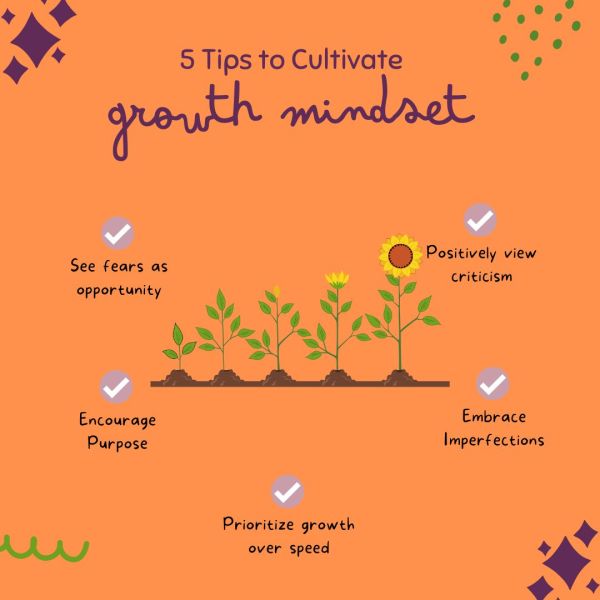
  3. Embrace Imperfection: Perfectionism is a creativity killer; it is nothing more than fear masking itself. I encourage you to embrace imperfections and view writing as a process of growth rather than striving for flawlessness. As we make strides toward our goals, fear may arise. Fear of being an imposter, flawed, or writing something unworthy of reading. DO NOT let fear stop you. If you missed my Summer of Love series, read what I wrote about the acronym FEAR – false evidence appearing real. Don’t listen to your fears when writing. Every writer writes a shitty first draft, and there is no exception to this fact, so embrace the imperfection. 
  4. Create a Supportive Environment: Create a comfortable and inspiring writing space. Surrounding yourself with things that spark creativity and positivity can significantly change your mindset. Your writing space can be a small room or just a comfy corner in a quiet room. Every writer deserves to find a comfortable space where they can create. If you can avoid distractions, even better. If not, grab yourself some noise-canceling headphones. When I am not in my creative space, I have a shawl or a specific hoodie that I often wrap myself up in, thus creating my supportive, creative environment. 

In next week’s post, I’ll discuss four more motivational writing tips to help you develop a positive writing mindset. 

As always, let’s continue the conversation. Leave a comment, question, or a positive quote that will inspire this community of writers.

Summer of Love Series: Finale

As my Summer of Love series ends, I want to wrap things up as best as possible. Here is a high-level view of what I have learned along the way to changing my mindset:

  1. Stop waiting for an outside wish/miracle to change your mind: you need to eliminate the chaos in your mind. You must identify and bravely face the root of your mindset. Be honest! It’s scary to admit where we are lacking or going wrong; however, you must be brave and take on this challenge to heal.
  2. Stop believing you cannot control your thoughts. Do not let some external factor choose your thoughts. Social media. Family. Friends. News outlets. You have complete control. 
  3. Strengthen your mindset. This goes hand in hand with the previous point. What you feed your mindset with is essential. The only way to change your default and automatic thinking is by filling it with God’s truth, abundance, and positivity. 
  4. Separate what you believe from what you feel. Because emotions result from what we believe to be true, we must regularly remind ourselves of positive beliefs. Separating beliefs from emotions will help us eliminate the negative feelings that shape our mindsets. 
  5. W.A.I.T.: When you are pulled into conversations or find your ruminating thoughts defaulting to what you are trying to change, remember to “W.A.I.T.” Stop yourself from talking or thinking negatively and say to yourself, “Why am I talking?” When we pause, we allow our brains to quiet down, making room for creative solutions to problems or for positive and abundant thoughts. Resist those negative thoughts and assist positive ones. 
  6. Celebrate the small wins. Be thankful for the journey you are taking. There will be setbacks, but make them a momentary trip up. One way to celebrate the small wins is through love. Do not judge or attack ourselves or others. These small judgments are nothing more than powerful negative thoughts. When these judgments or negative thoughts come, offer forgiveness for having the thought and consciously say, “I choose love instead.” God made us in His image, and He is love. 
  7. Expect miracles. Choose to expect that something good is going to happen. It’s an act of faith. Do not let your imagination create a false narrative. Instead of constantly imagining or expecting things to go wrong or to be the worst, lean into God’s promises and have faith that something good is coming your way. Having positive thoughts at the forefront of your brain takes practice, but eventually, you will be filled with love, community, and grace. 

Here are a few verses to lean into on your mindset journey: 

Romans 15:13, “May the God of hope fill you with all joy and peace in believing, so that by the power of the Holy Spirit you may abound in hope.”

Proverbs 3:5-6, “Trust in the Lord with all your heart; do not depend on your own understanding. Seek his will in all you do, and he will show you which path to take.” 

2 Thessalonians 3:5, “May the Lord lead your hearts into a full understanding and expression of the love of God and the patient endurance that comes from Christ.”

2 Peter 1:2, “Grace and peace be yours in abundance.”

Thank you for joining me on this journey. I hope you took away some seeds of love from this series. Let’s connect through comments and support each other to grow in love. 

Summer of Love Series: Day 25

As we are nearing the end of the Summer of Love series, it is important to understand that when we cast judgments on ourselves or others, we remove our ability for love. Healing happens in a community, not in isolation. Yes, it’s important to be alone with your thoughts, and it’s important to quiet the chaos of our minds, but the company we keep is equally important. Suppose you are in a group that always focuses on the negative or, as in my case, shares in my lack/scarcity mentality. If I am constantly in that company, I block any chance of abundance and any possibility of a mindset shift because my conversations are feeding/fueling the scarcity/negativity. 

What is the best way to step back and not allow those unwanted thoughts or statements to dominate the forefront of our minds (aka our automatic response)? Use the W.A.I.T. method:

  • W – Why
  • A – am
  • I – I
  • T – talking? 

I first learned this method from Gabby Bernstein. Talking about your lack/scarcity fuels it, so use the “Why am I talking” prompt to stop you from feeding that lack mentality. When you stop talking, you allow creative solutions to come into play. You give abundance a chance to work its way into your life. 

This subtle shift reminds me that God did not give me a lack/scarcity mentality. It also serves as a reminder that the company we keep is important. In reality, we cannot always be around positive people, especially if the negative ones are family. So how does one go about creating a protective barrier around their mindset? We learn to tune out and replace and remember to W.A.I.T.  

I learned to tune things out as a mother. Most mothers will agree that there are moments when you are driving alone before you realize you are listening to your kid’s music rather than what you want. This is because we trained our minds to tune it out, especially when it’s on an endless repeat cycle the moment your car starts. Therefore, we must learn to tune out and replace the negative/scarcity mindset with positive, loving, and abundant thoughts. Have scripture or affirmations on repeat. Autoplaying God’s promises and your new narrative will tune out the negativity. So you can now become the calm body at the table who radiates peace and love. Eventually, the rewiring takes place and becomes the automatic response. 

I know we can do this! It will take lots of practice, but positivity and abundance will come.  

I will leave you with my most recent prayer: Dear God, I am aware of my financial scarcity mindset, and I confess this fear’s stronghold on my life. I’m willing to release it to you. Thank you for your guidance. You did not give me a spirit of fear. Heal me from this sabotage, awaken the love within me, and give me a spirit of abundance so that I may use my talents to help others and serve you. Amen.  

Give W.A.I.T. a shot, and let me know how it worked. 

Summer of Love Series: Day 15

I quickly learned I needed more self-care as I wrapped up week two of my Summer of Love Series. Taking a hard look at my self-attacks is powerful, and all these emotional surrenders leave me vulnerable and emotionally drained, so tenderness is in order. This deep dive into myself, my actions, my choices, and my self-limiting beliefs require bravery. But sometimes bravery will leave you wanting nothing more than to curl up in a fetal position, cry, sleep, and turn off all the noise. While some of those actions, particularly turning off the noise and sleeping, are options, I want to replenish my spirit with intentional affirmations. 

Affirmation #1: I choose to love myself today. Choosing love over fear is 100% optional. What we say to ourselves unconsciously becomes what we consciously believe about ourselves. I have shrunken myself down for a decade, but now I choose to live in love. 

Affirmation #2: I will give myself a peaceful and consistent reminder that love and gratitude are within me. I have complete, unobstructed access to gratitude. I am grateful for my willingness to change my mindset. 

Affirmation #3: I am grateful to be in this process. As I rest in this mindset of love and gratitude, I will go slow and intentional in the fast-paced world around me. 

As I’ve been journaling and blogging my way through this series, I was compelled to share the following entry with you: I believe I am love. Everything in me and outside of me is love. I believe this, and I commit to this – I am love. 

Along the lines of breathing love back into my mindset, here are a few bible verses that have been showing up lately:

  • “Love never gives up, never loses faith, is always hopeful, and endures through every circumstance.” Corinthians 13:7
  • “For God has not given us a spirit of fear and timidity, but of power, love, and self-discipline.” 2 Timothy 1:7
  • “Make allowance for each other’s faults, and forgive anyone who offends you. Remember, the Lord forgave you, so you must forgive others.” Colossians 3: 13

I will be back in another 5 days as I move deeper into love, gratitude, and forgiveness.

Thank you for being on this journey with me.

Summer of Love Series: Day 10

I am moving into week two of shifting my mindset and opening myself up to self-love. Opening up to self-love is not the same as becoming a narcissist. It’s simply opening up to self-forgiveness and letting go of the person I once was ~ a person full of fear and smallness.

If we want to become a more positive energy in this world, we must ditch self-defeating talk and thought patterns. A lack of self-love led me to isolate my God-given gift of writing from the world. It has made me a people pleaser, always caring for others while putting myself and my time at the bottom. Doing this for several years made me resentful. It exhausted me. It’s distracted me from my true calling in life. It made me small. So small that I could never believe that I deserved to dream big or feel I was worthy of big blessings in life ~ it was just a new form of that scarcity mindset. And now that I am facing turning 50, it’s time to reverse this trend. It’s time to learn to love myself as God has designed me.

To start reversing the adverse effects, I must take the next few days and begin the deep dive (again) into how this smallness has made me bypass opportunities, how this smallness has made me afraid to take risks, and how I allowed the scarcity mindset to keep me in this endless loop of stagnation.

I will specifically journal the following prompts while keeping in mind what the bible says about forgiveness: 

  • Where have I been limiting myself?  
  • What have I asked for and received? 
  • What have I received and squandered away?
  • What doors have I consciously shut? 
  • What opportunities have been presented to me that I wasn’t qualified, talented, or intelligent enough for? 
  • Am I willing to take responsibility for this scarcity mindset? 
  • Am I willing to take responsibility and ask God for forgiveness? 

Forgiveness restores broken relationships (Genesis 50:17). 

Forgiveness is a path to love (Luke 7:47). 

Forgiveness precedes healing (Luke 5:17-26). 

God tells us to forgive instead of seeking revenge or bearing a grudge (Leviticus 19:18).

Summer of Love Series: Day 5

When fear drives your mindset, you fear upsetting those you love. You worry they will be angry, leave you, or think less of you. When you think about it, this is an unfair punishment. After all, if I can give others multiple opportunities to make right a wrong, why don’t I do that for myself? It’s hypocritical in that sense.

I’m also learning that not forgiving myself is at the root of that scarcity mindset because I tell myself that I am not worthy of forgiveness. I am not worthy of being afforded the chance to make up for a mistake. I am not good enough for someone to love me because of my mistakes. I have woven this scarcity mindset so deep into who I am; I have no one to blame but myself.

If I have no one to blame but myself, I am the only one that can forgive me. Therefore, for the next few days of this Summer of Love series, I am entering into a state of forgiving myself. I forgive myself for the scarcity mindset and for making myself small.

“…be kind to each other, tenderhearted, forgiving one another, just as God through Christ has forgiven you.” (Ephesians 4:32).

Summer of Love Series: Day 4

My morning mindset: I begin my day with gratitude and release all fears of scarcity and stagnant energy. Focusing on gratitude is reconnecting me to love. God did not make me fearful. God made me in His image, and His image is love. 

As I continue being honest about my fears, I am taking each day to look for growth opportunities. After all, fear is an opportunity for growth. 

Making a generalized list of people and things I am grateful for has always felt incomplete, which could be one of the reasons why I stopped making lists; however, if you are a quick list person – great! It is a great daily habit if you only take a few minutes and list your x-amount of things/people you are thankful for, but right now, I am going deeper to rewire and rewrite my narrative. 

I used to be that positive person, the one who would always chime in with a positive outlook ~ that was me, and I was proud to be that person. I miss that version of me. When did I become pessimistic? I think it started with some undiagnosed depression and hormonal imbalances. I also remember many years passing by when I lacked purpose. I felt exhausted, always being “positive” or “cheerful,” and making a daily gratitude list was hard in those days. I eventually gave in to that defeat and stopped. 

Fast forward to today, this is what my list is shaping up to look like, and it’s working for me. It’s giving me that deep meaning that I’ve been craving: 

Fear: I am fearful that I will not be able to make it through my father’s eulogy without sobbing. 

Gratitude Response: I am honored to speak of my father’s love and legacy. My family loves me, and they, too, are grieving. Crying is a form of healing. 

Fear: I am not healthy. 

Gratitude Response: While I have work to do, I am grateful to have access to healthy foods and safe exercise trails. Restoring my health will take time and discipline ~ have patience. 

Fear: Money is scarce, and I do not handle it well/smartly. I was never good at math and did not understand investing. 

Gratitude Response: I haven’t always been great with money, but now I am learning about investments and working on disciplined spending. 

I feel more authentic making a list this way. I feel a little closer to my old pleasant self. Yes, I am only four into this 30-day journey, but each day is a new opportunity to grow in love. Try this method if making a quick bulleted list makes you feel less than complete.